Compassionate, quality healthcare for Modogashe and beyond.
Togweyne Nursing Home provides outpatient, maternity, emergency, laboratory, dental, optical and child health services — close to home, delivered with dignity and care.
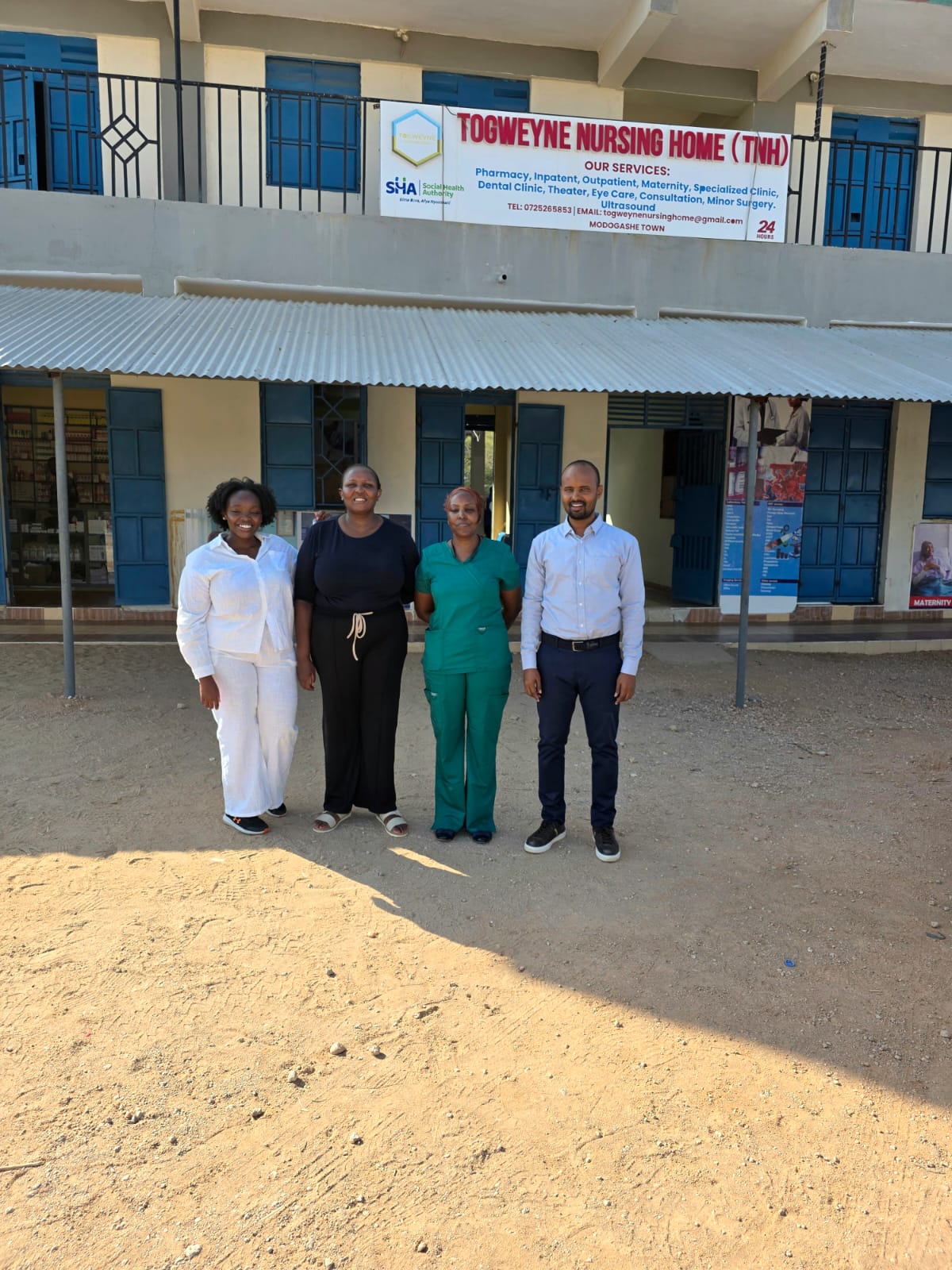
Comprehensive care under one roof
From routine checkups to maternity and emergency care, our departments work together to serve every stage of life.
Outpatient Services
General consultation, diagnosis and treatment for everyday illnesses and check-ups.
Learn moreMaternity & Neonatal Care
Antenatal, delivery and postnatal care from skilled midwives, plus neonatal and high-risk pregnancy monitoring.
Learn moreEmergency Services
Emergency stabilization, trauma care and first aid, available around the clock.
Learn moreLaboratory
CBC, blood tests, urine analysis, malaria testing, diabetes screening and more.
Learn morePharmacy
Prescription dispensing, patient counseling and a steady supply of essential medicines.
Learn moreOptical Clinic
Eye examinations, vision screening, prescription glasses and eye treatment.
Learn moreChild Health & Immunization
Vaccination, growth monitoring, nutrition assessment and child wellness clinics.
Learn moreComing Soon
Main operating theatre, emergency caesarean section, and major & minor surgeries.
See what's nextCare shaped by the community we serve
Licensed & Regulated
KMPDC-licensed Level 3 facility, License No. 021097.
Skilled, Caring Staff
Experienced clinicians and midwives who treat every patient with dignity.
Always Reachable
Emergency services and a 24-hour general ward for when care can't wait.
Rooted in Modogashe
Serving Garissa and Isiolo counties from the heart of Modogashe Town.

Guided by experienced, dedicated medical leadership
Led by Osman Mowlid Yussuf, our Ophthalmic Clinical Officer and Team Lead, our clinicians work closely with the community to deliver attentive, respectful care — from routine consultations to specialized dental and eye clinics.
What our patients say
“The maternity team took great care of me during delivery. The midwives were patient and kept checking on me and my baby.”
“I came in for an emergency at night and the staff attended to me quickly. I'm grateful this hospital is close to home.”
“Good laboratory services and friendly staff. The waiting time was short and results came back the same day.”
Reviews via Google
News & health tips
Protecting Your Family from Malaria This Rainy Season
June 12, 2026
Simple, affordable steps every household in Modogashe can take to reduce mosquito breeding sites and protect children under five.
Read moreWhy Antenatal Visits Matter, Even When You Feel Well
May 28, 2026
Our midwives explain why regular antenatal check-ups, even for healthy pregnancies, catch complications before they become emergencies.
Read moreKeeping Up with Your Child's Vaccination Schedule
May 9, 2026
A quick reminder on why sticking to the recommended immunization timeline protects your child and the wider community.
Read morePartners & Insurance
Social Health Authority
Regulating Authority
Community health programs
Essential medicines & equipment
Find us in Modogashe Town
We're located opposite Jamia Mosque, easily reachable from across Lagdera Sub-County.
Opposite Jamia Mosque, Modogashe Town, Lagdera Sub-County, Garissa County